
Arbitration
Arbitration is a streamlined, private, and legally binding method for resolving disputes outside the courtroom. It offers a faster and more confidential alternative to traditional litigation, allowing parties to resolve their disputes efficiently and effectively while maintaining privacy and control over the process. Our arbitration services ensure a fair and impartial resolution for all parties involved.
Why Arbitration?
Arbitration is often favoured by parties for its speed and cost-efficiency, allowing a faster resolution than lengthy court processes and fees. It provides flexibility to parties, as the procedures are tailored to suit their specific needs, and it can choose arbitrators with expertise in the relevant subject matter. Arbitration ensures privacy and is well-suited even for international disputes, providing a neutral forum and ease of enforcement across various jurisdictions.
Brief Process
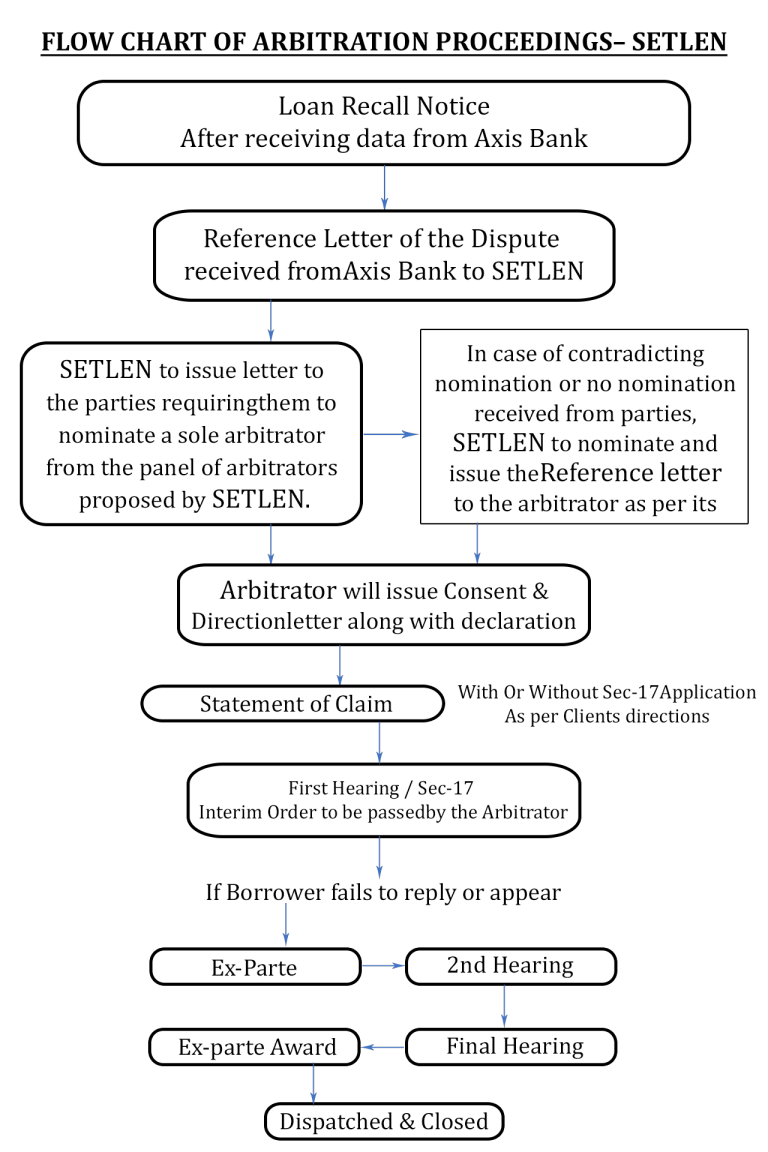
- Initiation: Arbitration starts as the Parties choose a location (seat) and venue.
- Notice and Submission: A notice is issued.
- Arbitrator Appointment: If both the Parties have agreed on a specific individual for appointing arbitrators, that is followed. The parties may mutually agree on the appointment if there is a sole arbitrator. If there are multiple arbitrators, each party may appoint one, and the appointed arbitrators may finalise one presiding arbitrator. Arbitrator appointment is specified in the contract mostly, and sometimes, through a separate agreement.
- Acceptance and Consent: The selected arbitrator(s) formally accept their appointment.
- E-Hearings: Arbitration proceedings can be both online and offline. The arbitrator may issue practice directions to guide these electronic hearings, ensuring efficiency and accessibility.
- Interim Awards: In some cases, interim awards may be issued by the arbitrator(s) during the proceedings. These awards address specific issues or aspects of the dispute, providing clarity and direction as the process unfolds.
- Pleadings: Parties are allowed to present their stance through pleadings. It includes claims, counterclaims, statements of defence, replies, evidence, and other relevant documentation.
- Hearings: Parties can present their case in detail and provide supporting evidence to corroborate their submissions.
- Award: An arbitration proceeding is culminated upon the arbitrator(s) issuing an award. It serves as the final decision to settle the dispute.